
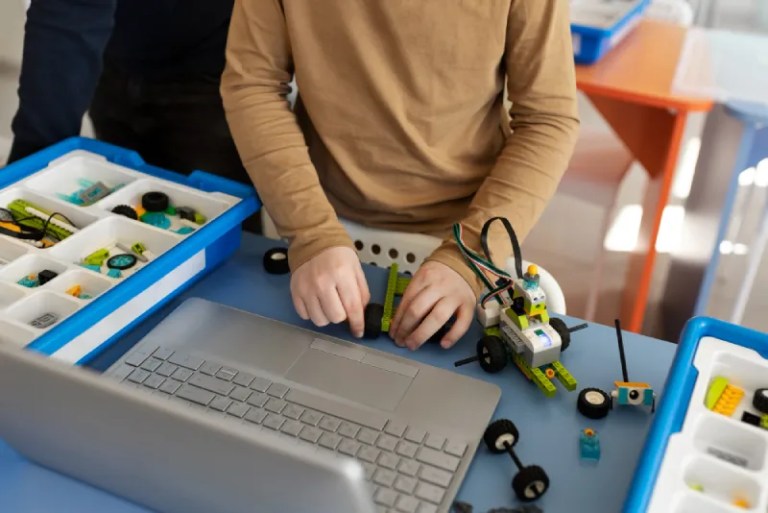
In today’s fast-evolving world, education plays a critical role in preparing students for the future. One of the most talked-about educational approaches is STEM—but what exactly does it mean? The Department of Education WA emphasizes STEM as a key area of learning to equip students with essential skills for the 21st century.
Understanding STEM
STEM stands for Science, Technology, Engineering, and Mathematics. It is an integrated approach to learning that fosters creativity, critical thinking, and problem-solving. Unlike traditional education methods that teach these subjects separately, STEM encourages interdisciplinary learning, showing students how these fields work together in real-world applications.
Why is STEM Important?
The world is becoming increasingly technology-driven, and STEM education provides students with the skills necessary to succeed in future careers. Some key benefits include:
- Developing Critical Thinking Skills: STEM encourages students to think logically and solve complex problems.
- Enhancing Creativity & Innovation: It fosters curiosity and the ability to develop new ideas and solutions.
- Career Readiness: Many of the fastest-growing jobs are in STEM fields, including engineering, software development, and data science.
- Practical Learning: STEM promotes hands-on learning experiences, making education more engaging and applicable to real-world scenarios.
STEM Education in Western Australia
The Department of Education WA is committed to ensuring students receive high-quality STEM education from an early age. Schools across Western Australia integrate STEM into their curriculum through:
- STEM-Based Projects & Programs: Engaging students with real-world challenges.
- Industry Partnerships: Collaborating with businesses and universities to provide hands-on experience.
- Digital Technology Integration: Ensuring students are familiar with coding, robotics, and emerging technologies.
- STEM Career Pathways: Encouraging students to pursue STEM careers through specialized programs and initiatives.
How Can Students & Parents Get Involved?
STEM education is not limited to the classroom! Here’s how students and parents can take part in STEM learning:
- Encourage Curiosity: Support children in asking questions and exploring STEM topics at home.
- Participate in STEM Workshops & Events: Many schools and organizations offer STEM-related extracurricular activities.
- Explore Online STEM Resources: There are plenty of free online courses, games, and experiments to try.
- Support Hands-On Learning: Simple activities like building projects, coding games, or science experiments can enhance learning.
Final Thoughts
STEM education is shaping the future by equipping students with the skills they need to thrive in a fast-changing world. With the strong support of the Department of Education WA, schools are continuously improving STEM programs to ensure students are well-prepared for future challenges and opportunities.
Encouraging young learners to engage with STEM today will help them become the problem solvers, innovators, and leaders of tomorrow!